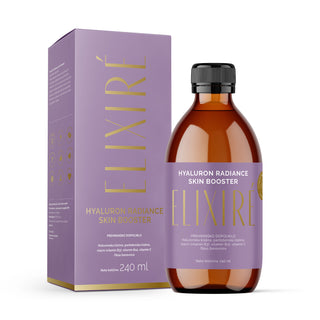
What are nutritional supplements?
Food supplements are products that contain concentrated nutrients - vitamins, minerals, amino acids, fatty acids or plant extracts - intended to supplement nutrition (1). They are not a substitute for a balanced diet, but a support for health and vitality (2).
Types of nutritional supplements
-
Vitamins and minerals: Support basic body functions such as the immune system, energy and bone health (1).
-
Amino acids and proteins: Important for muscles, regeneration and metabolism (2).
-
Fatty acids (eg omega-3): Supports the heart, brain and joints (3).
-
Plant extracts: Curcumin, ginseng, green tea - act as anti-inflammatory, antioxidant or energy support (4).
-
Probiotics: They regulate the intestinal microbiota and support digestion and the immune system (5).
Benefits of nutritional supplements
-
Immune system support: Vitamin D, C and zinc strengthen resistance to infections (1,2).
-
More energy: B complex and iron reduce fatigue (3).
-
Bone health: Calcium and vitamin D prevent osteoporosis (1).
-
Brain and mood: Omega-3 and vitamin B12 support cognition and reduce the risk of depression (4).
-
Antioxidant protection: Vitamin E, C and coenzyme Q10 protect cells from oxidative stress (5).
Advice for choosing supplements
-
Check the quality: Choose products with clearly labeled ingredients and certifications (2).
-
Consider needs: Supplements should be tailored to age, lifestyle and health status (3).
-
Consult your doctor: Especially with chronic diseases or medication (2).
-
Choose a form with good absorption: Liquid and liposomal forms have better bioavailability than conventional tablets (4).
-
Consistency: Effects appear with regular and correct intake (5).
Advantages of liposomal liquid supplements
-
Better absorption: Liposomes protect nutrients from breakdown in the digestive tract (4).
-
Faster effect: Active substances are transferred more efficiently into the bloodstream (4).
-
Less digestive problems: The liposomal form is kinder to the stomach (5).
-
Stability: Liposomes protect sensitive molecules such as vitamin C or Q10 from oxidation (4).
Conclusion
Dietary supplements are an important support for health, energy and vitality when used judiciously. The key is in quality, the right choice according to the needs and the form that allows the best absorption. Liposomal liquid supplements represent the future as they provide greater efficacy and safety (1–5).
📚 Literature
-
Holick, M.F. (2017). Vitamin D deficiency. New England Journal of Medicine, 357(3):266–281.
-
Dickinson, A., MacKay, D. (2014). Dietary supplements in the US: prevalence, usage, and role in health. Nutrition in Clinical Practice, 29(4):446–454.
-
McRae, M.P. (2017). Bioavailability of nutrients: the importance of nutrient form. Journal of Nutrition & Metabolism, 2017:1–6.
-
Allen, T.M., Cullis, P.R. (2013). Liposomal drug delivery systems: from concept to clinical applications. Advanced Drug Delivery Reviews, 65(1):36–48.
-
Sercombe, L., et al. (2015). Advances and challenges of liposome assisted drug delivery. Frontiers in Pharmacology, 6:286.