Why nutritional supplements?
Food supplements are intended to supplement nutrition and support health when we do not get enough nutrients from food. They help strengthen the immune system, improve well-being, reduce fatigue and support vitality (1).
The most common supplements and their effects
-
Vitamin D: Key to the immune system, bone health and mood. Deficiency is associated with increased susceptibility to infection and osteoporosis (2).
-
Vitamin C: A powerful antioxidant that protects cells from oxidative stress and supports collagen formation (3).
-
B complex: Supports the nervous system, metabolism and reduces fatigue. Especially important for stress and lack of energy (4).
-
Omega-3 fatty acids: Support heart, brain and joint health. They reduce inflammation and improve cognitive function (5).
-
Probiotics: They regulate the intestinal microbiota, improve digestion and strengthen the immune system (6).
-
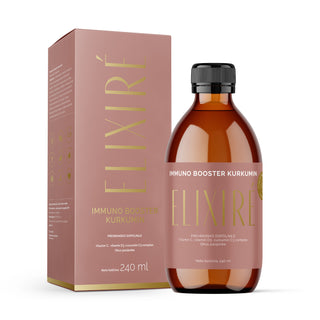
Curcumin: It acts as an anti-inflammatory and antioxidant, supports joints and the immune system. The liposomal form increases its absorption (7).
-
Coenzyme Q10: Supports cellular energy production and acts as an antioxidant important for the heart and skin (8).
Advice for choosing supplements
-
Check the quality: Choose products with clearly labeled ingredients and certifications (1).
-
Consider needs: Supplements should be tailored to age, lifestyle and health (2).
-
Consult a doctor: Especially with chronic diseases or medication (3).
-
Choose a form with good absorption: The liposomal liquid form has better bioavailability than conventional tablets (7).
-
Consistency: Effects appear when taken regularly and correctly (4).
Conclusion
The best nutritional supplements to improve health are those that are quality, tailored to your needs, and have high bioavailability. Vitamin D, C, B complex, omega-3, probiotics, curcumin and Q10 are among the most important for supporting the immune system, energy, vitality and beauty. The liposomal form represents the future, providing better absorption and efficacy (1–8).
📚 Literature
-
Dickinson, A., MacKay, D. (2014). Dietary supplements in the US: prevalence, usage, and role in health. Nutrition in Clinical Practice, 29(4):446–454.
-
Holick, M.F. (2017). Vitamin D deficiency. New England Journal of Medicine, 357(3):266–281.
-
Carr, A.C., Maggini, S. (2017). Vitamin C and immune function. Nutrients, 9(11):1211.
-
Kennedy, D.O. (2016). B vitamins and the brain: mechanisms, dose and efficacy. Nutrients, 8(2):68.
-
Calder, P.C. (2017). Omega-3 fatty acids and inflammatory processes: from molecules to man. Biochemical Society Transactions, 45(5):1105–1115.
-
Hill, C., et al. (2014).Expert consensus document on probiotics. Nature Reviews Gastroenterology & Hepatology, 11(8):506–514.
-
Hewlings, S.J., Kalman, D.S. (2017). Curcumin: a review of its effects on human health. Foods, 6(10):92.